Introduction
Strongyles are the most common and important worms of grazing horses worldwide. The group divides into two very different camps: the large strongyles (the “bloodworms” or redworms) and the far more numerous small strongyles (cyathostomins, or small redworms). Large strongyles are rare, but small strongyles are the central worm challenge in horses today.
Overview — What are strongyles?
Strongyles are roundworms that live in the large intestine of horses. They are found in grazing horses everywhere — small strongyles are present in the large majority of horses worldwide and make up almost the entire worm burden in most animals. The group falls into two types that behave very differently.
Small strongyles (cyathostomins)
By far the most prevalent and important worms of horses today. More than fifty species exist, and a single horse can carry many at once. Their defining trick is that their larvae burrow into and encyst within the wall of the large intestine, where they can lie dormant for months or even years before emerging. Disease is mainly seen iny ounger horses, whose immunity is still developing.
Large strongyles (bloodworms / redworms)
Historically the most feared horse worms,because their larvae migrate through the body — most dangerously Strongylus vulgaris, which travels through the major arteries supplying the gut and can cause life-threatening damage. Thanks to decades of routine deworming, large strongyles are now uncommon, but they remain serious where they occur,and they have a very long lifespan (often six months or more).
Why they matter
Most strongyle infections are silent, quietly costing condition and performance. But small strongyles can also cause a sudden, severe and sometimes fatal illness when large numbers of encysted larvae emerge at once, and large strongyles can cause dangerous colic. Add widespread drench resistance, and strongyles are the defining worm-control challenge in modern horse management.
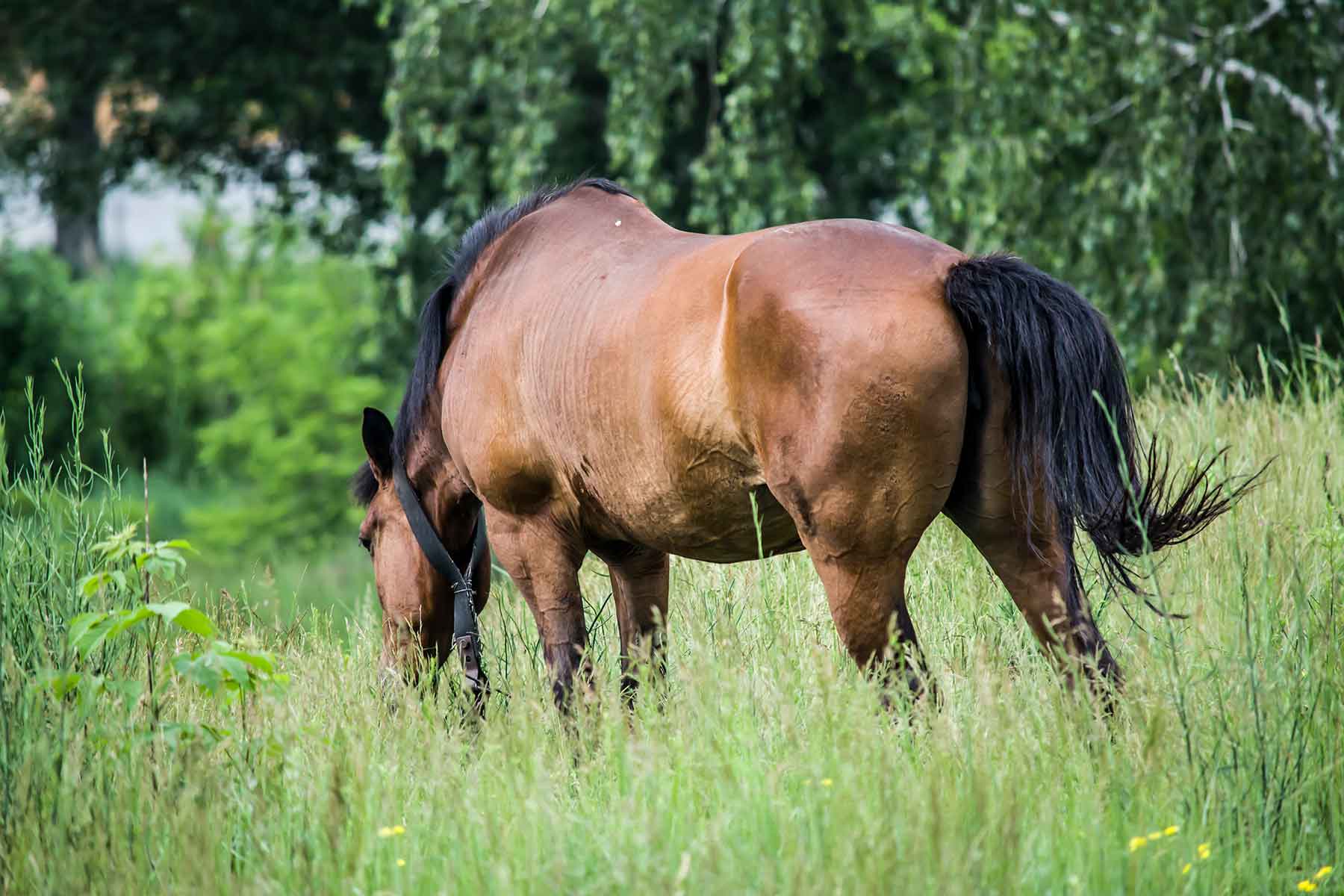
Most strongyle infections are silent, quietly costing condition and performance
Strongyles — Clinical Signs
Most strongyle infections cause no obvious signs at all — which is part of the problem, because damage and pasture contamination build quietly. When signs do appear, they range from vague to severe:
- Weight loss and poor condition, a dull or roughcoat, and reduced performance.
- Diarrhoea or soft manure, and recurrent orlow-grade colic.
- Poor growth and a pot-bellied appearance inyoung horses.
- Lethargy and general ill-thrift.
Larval cyathostominosis — the severe form
The most dangerous presentation occurs when large numbers of encysted small-strongyle larvae emerge from the gut wall together — often in late winter or spring. This causes a sudden,severe illness: profuse watery diarrhoea, rapid weight loss, fluid swelling along the underline, and colic. It can be fatal even with intensive treatment,which is why preventing the build-up of encysted larvae matters so much.
Large strongyle disease
Where large strongyles arepresent, the migrating larvae can damage the arteries supplying the intestine,leading to serious colic. This is now uncommon but remains a genuine risk onproperties with poor worm control.
Who is most at risk?
Young horses (roughly one to four years old), whose immunity is still developing, and the minority of adult horses that are naturally high egg-shedders.
Strongyles — Lifecycle Summary
Strongyles have a direct,pasture-based lifecycle, but with a crucial twist inside the horse that differs between the two types.
- Adults in the large intestine lay eggs that passout in the dung.
- On the pasture, the eggs hatch and developthrough larval stages to the infective third stage (L3) in roughly one to twoweeks in suitable conditions, then migrate onto the grass.
- The horse eats the larvae while grazing.
- Inside the horse, the two types diverge:small-strongyle larvae can burrow into the wall of the large intestine and encyst,where they can stay dormant for months to years before emerging;large-strongyle larvae migrate through the body’s tissues and bloodvessels before returning to the gut.
- Larvae mature into adults in the largeintestine, and the cycle begins again.
Two features make strongyles especially tricky. First, the encysted small-strongyle larvae are shielded inside the gut wall, where most dewormers can’t reach them — and their mass emergence causes the worst disease. Second, large and small strongyle eggs look identical under the microscope, so a standard egg count tells you that strongyles are present, but not which type. The small-strongyle lifecycle can complete in a couple of months, while large strongyles take many months.
Strongyles — Treatment & Resistance Summary
Treating strongyles is now as much about protecting the effective wormers as using them, because resistance has narrowed the options.
What treats them
The macrocyclic lactones (the “mectins” e.g. abamectin, ivermectin and moxidectin) are the mainstay for adult strongyles,and moxidectin, along with two doses of a oxfendazole and piperazine combination, two days apart. Morantel is active against adult worms in the gut.
The resistance picture
Small strongyles are now widely resistant to the benzimidazole (“white”) drenches and to pyrantel, and resistance to the mectins is emerging — often showing first as eggs reappearing sooner after treatment than they used to. Large strongyles generally remain susceptible to the mectins. Because the picture varies from property to property, a faecal egg count reduction test is the only way to know what still works for you.
Treat smart, not often
Modern best practice is targeted, selective treatment: use faecal egg counts to find the minority of horses that shed most of the eggs and treat them, rather than deworming every horse on a calendar. Keeping the average to roughly two or fewer treatments per horse per year, and always confirming a wormer works before relying on it, slows resistance markedly. Foals and young horses need their own structured program.
Strongyles — Prevention Summary
Because most strongyles live on the pasture as larvae, pasture hygiene does much of the heavy lifting — and the less larvae horses pick up, the less you need to reach for a wormer.
- Remove dung from paddocks regularly. Picking up manure twice a week is one of the most effective things you can do, lifting the larvae off the pasture before horses re-ingest them.
- Rest and rotate pasture, and avoid overstocking, so larvae die off and horses aren’t forced to graze close to dung.
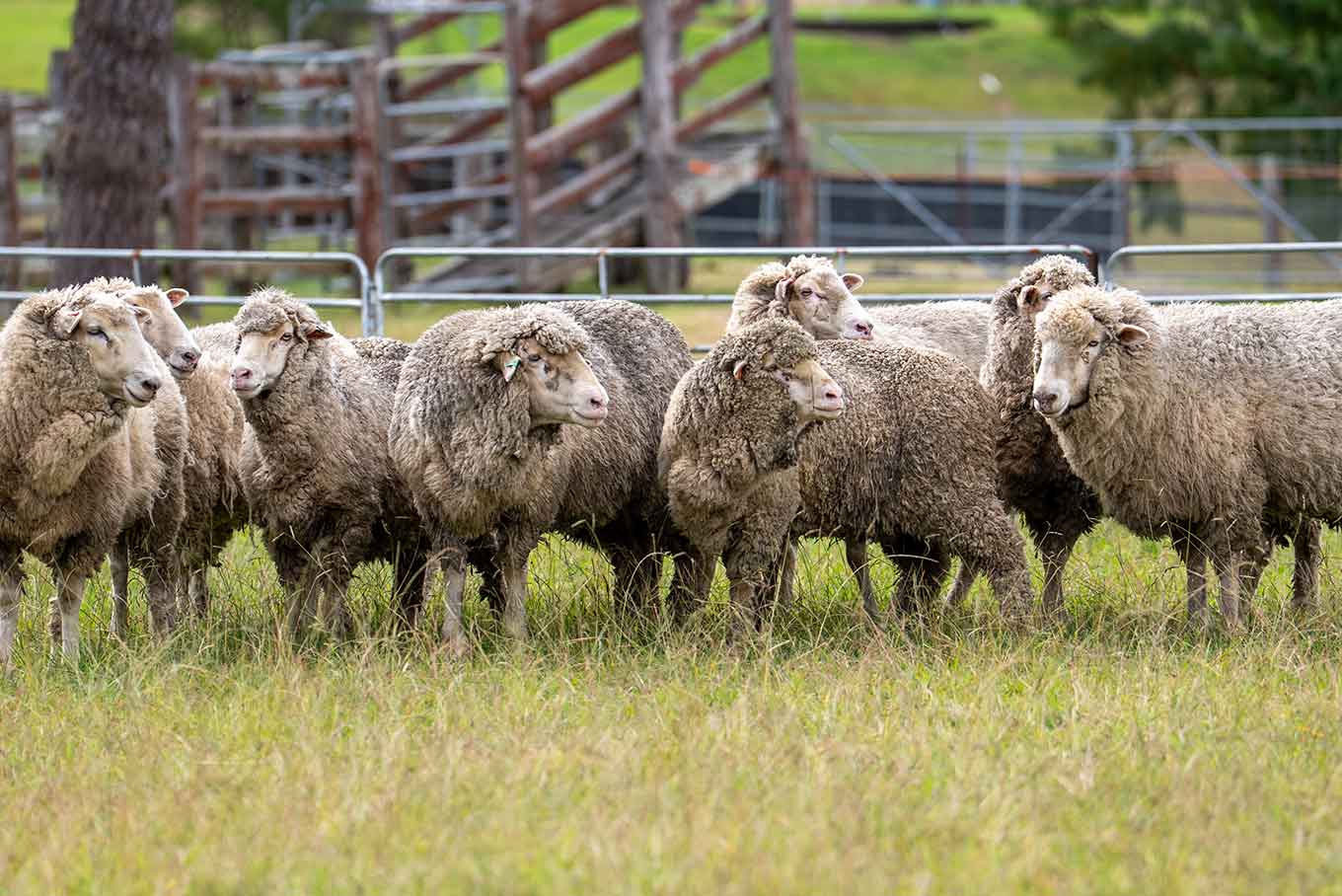
- Cross-graze with cattle or sheep, which act as a dead end for horse strongyles.
- Compost manure before spreading, as the heat kills larvae; only harrow paddocks in hot, dry weather, when exposed larvae will perish.
- Deworm by testing, not by calendar — use faecal egg counts to target the high shedders and preserve refugia.
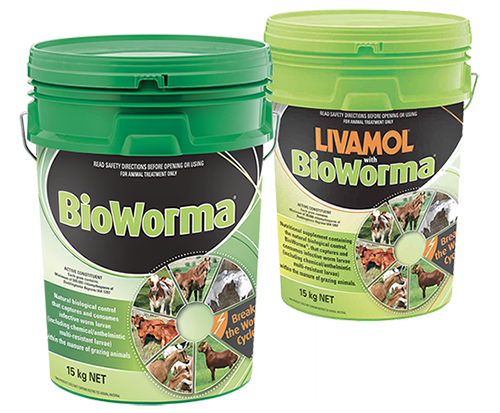
Biological control adds a powerful, non-chemical layer. The natural fungus Duddingtonia flagrans (the active in BioWorma), fed daily, traps and consumes strongyle larvae in the manure before they reach the pasture — including drench-resistant larvae —without harming dung beetles, earthworms or soil life. It suits horses particularly well, since they are often kept on the same paddocks year-round where larvae accumulate and dung removal is labour-intensive. It complements deworming and pasture hygiene rather than replacing them.

Frequently asked questions
Common questions about strongyles in horses — large vs small redworms, symptoms, larval cyathostominosis, resistance, and how to reduce them on pasture.
What are strongyles in horses?
Strongyles are the most common worms of grazing horses, living in the large intestine. They come in two types: large strongyles (the “bloodworms” or redworms), now uncommon thanks to modern deworming, and small strongyles (cyathostomins), which today make up almost the entire worm burden in most horses.
What is the difference between large and small strongyles?
Large strongyles are bigger worms whose larvae migrate through the body — historically very dangerous but now rare. Small strongyles are far more numerous; their larvae encyst in the gut wall and can lie dormant before emerging. The two look identical as eggs under the microscope, so an egg count can’t tell them apart.
What are the clinical signs of strongyles?
Most infections cause no obvious signs. When they do, look for weight loss, a poor coat, reduced performance, soft manure or diarrhoea, recurrent colic, and a pot belly in young horses. The severe form, larval cyathostominosis, causes sudden profuse diarrhoea and rapid weight loss and can be fatal.
What is larval cyathostominosis?
It is the severe disease that occurs when large numbers of encysted small-strongyle larvae emerge from the gut wall at once, often in late winter or spring. It can cause sudden, severe diarrhoea, rapid weight loss and fluid swelling, and has a high fatality rate even with treatment — which is why preventing larval build-up matters so much.
How do horses get strongyles?
By eating infective larvae while grazing contaminated pasture. Adult worms shed eggs in the dung, the larvae develop on the pasture over a week or two, and grazing horses swallow them. It’s a direct lifecycle with no intermediate host.
Does ivermectin treat strongyles, and are they resistant to wormers?
The mectins (abamectin, ivermectin and moxidectin) still treat adult strongyles on most properties, but small strongyles are now widely resistant to the white drenches (Benzimidazoles) and to pyrantel, and mectin resistance is emerging. The only way to know what works on your place is a faecal egg count reduction test.
How do I reduce strongyles on my horse’s pasture?
Pick up dung from paddocks (twice weekly is very effective), rest and rotate pasture, cross-graze with cattle or sheep, and deworm based on egg counts rather than a calendar. Biological control with Duddingtonia flagrans (BioWorma) adds to this by trapping and consuming strongyle larvae in the manure before they reach the pasture, including resistant larvae.