For roughly fifty years, controlling worms in grazing livestock has meant one thing above all others: chemical drenches. They were cheap, effective and easy, and for a time they worked brilliantly.
The worms have since fought back. Drench resistance — worms surviving the treatments that should kill them — is now a worldwide crisis affecting sheep, goats, cattle and horses alike.
How widespread it is
The picture is sobering across every grazing species:
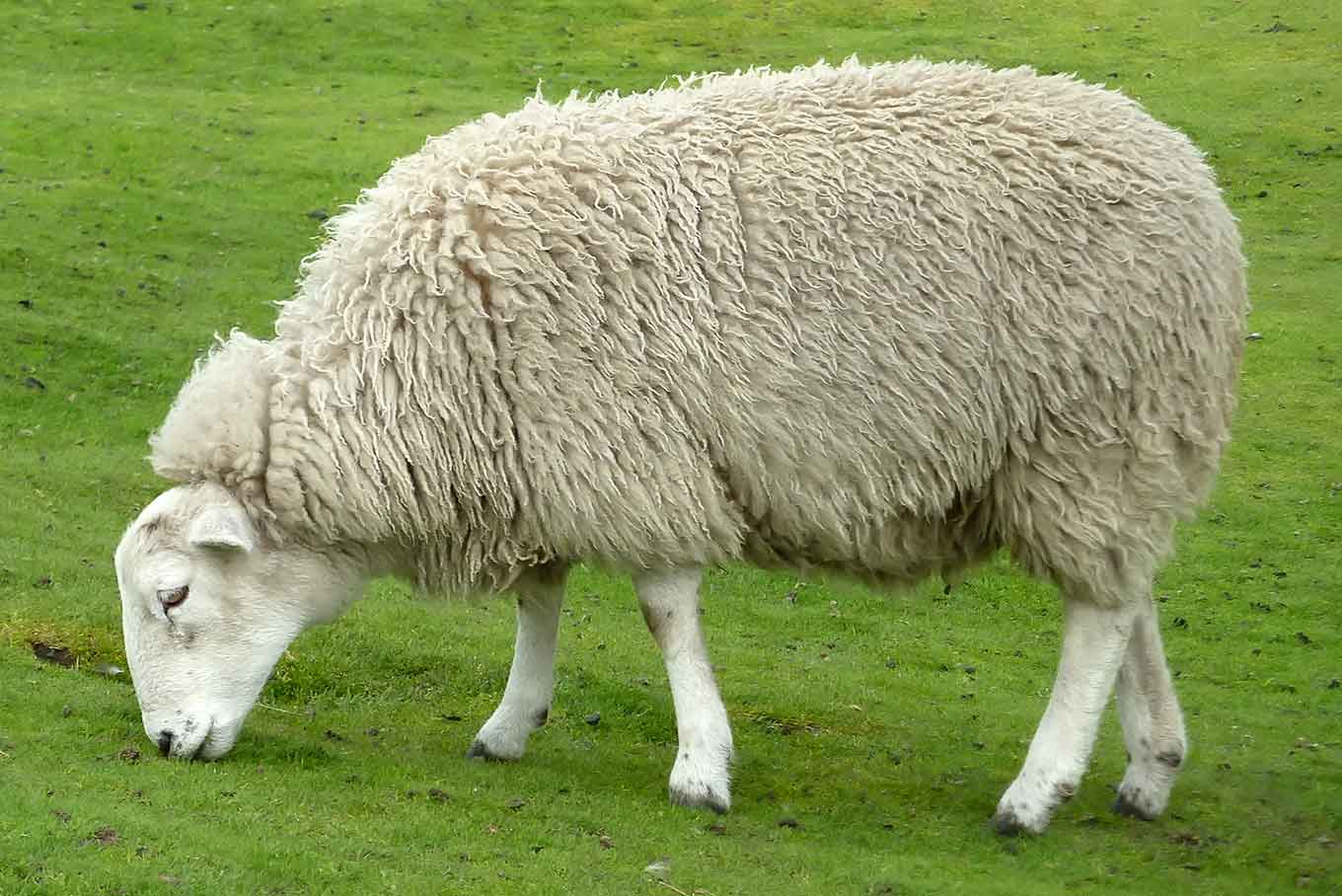
- Sheep — resistance to the older “white” (benzimidazole) drenches affects the large majority of farms in many regions,and resistance to the “clear” (levamisole) drenches is not far behind. Worms resistant to several drench groups at once are increasingly common.
- Cattle — once thought safe, cattle worms are now showing widespread resistance to the “mectins,” particularly in the small intestinal worm (Cooperia), and the industry is being warned to avoid the multi-drug-resistance scenario already seen in sheep.
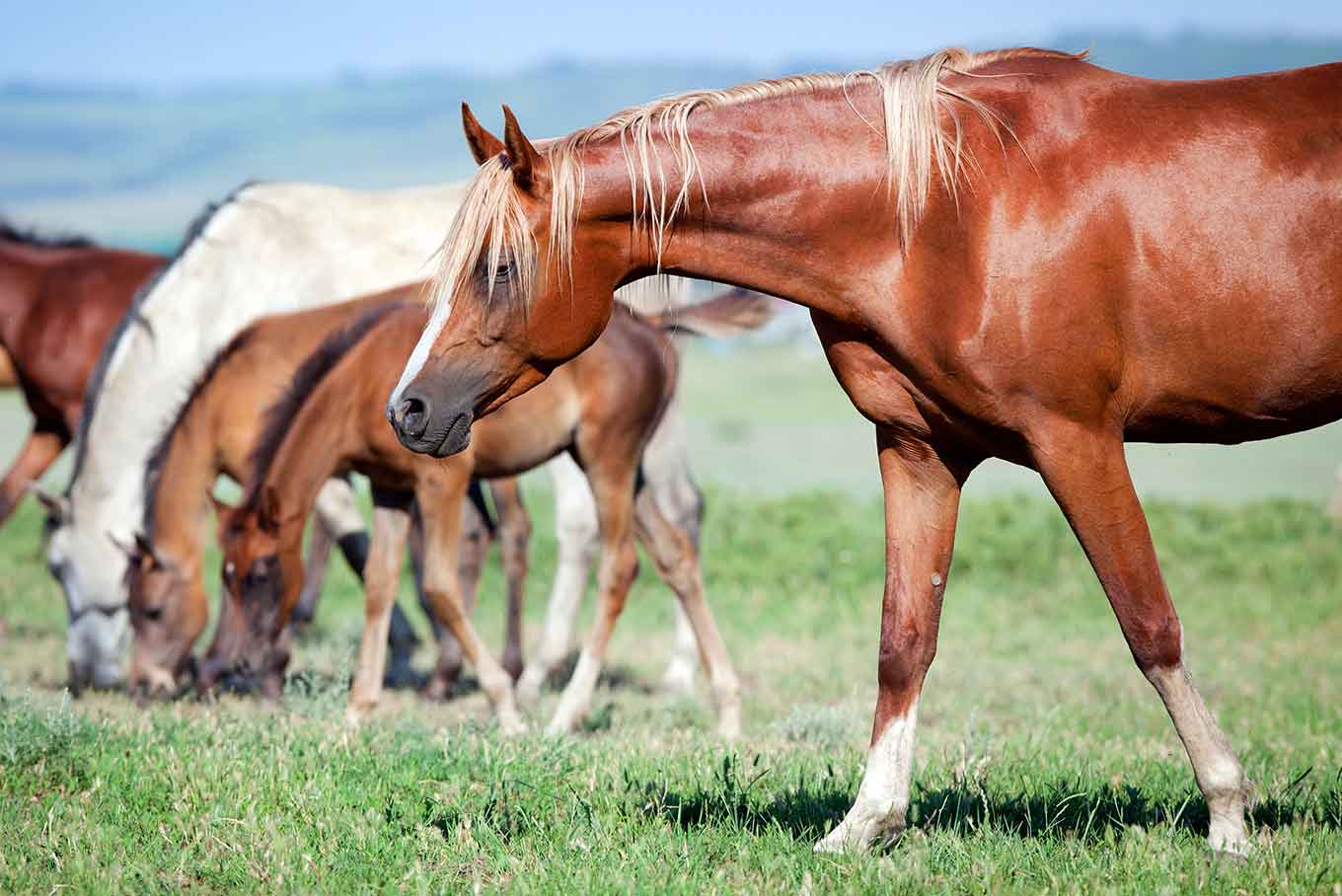
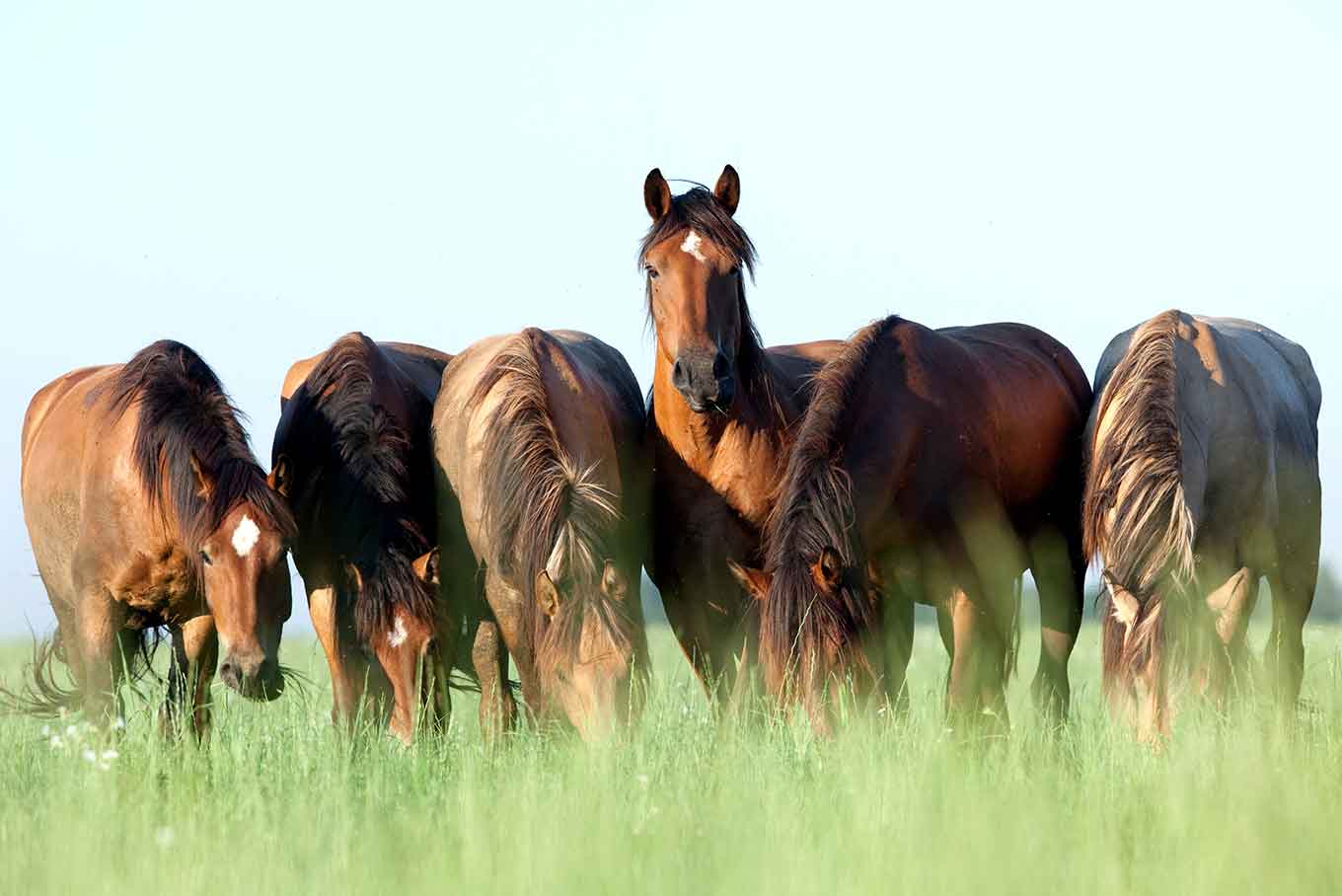
- Horses — the small strongyles are widely resistant to the white drenches and to pyrantel, with mectin resistance now emerging, while ascarids in foals are widely resistant to the mectins.
Why it is happening
Resistance is simple evolution under pressure. Every treatment leaves behind the few worms that happen to survive it; if those survivors breed the next generation, the population shifts toward resistance. Frequent drenching, under-dosing, relying on a single drench group, and treating then moving stock onto worm-free pasture all speed it up. And crucially, resistance cannot be reversed — once a property loses a drench group, it generally stays lost.
We cannot drench our way out
The obvious answer — a new drench — isn’t coming fast enough. Only a couple of genuinely new chemical groups have reached the market in the past few decades, and resistance has eventually followed each class that came before. There is no guarantee a new chemical will always be there to bail us out. On top of that, there is growing concern that drench residues can harm dung beetles and other beneficial invertebrates, damaging soil health.
The way forward
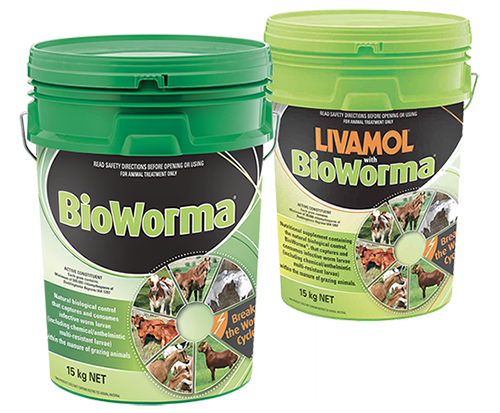
The response, worldwide, is integrated parasite management — combining monitoring, strategic treatment, grazing and pasture management, nutrition, genetics and biological control, rather than leaning on chemicals alone. This is exactly the gap biological control was created to fill: because it traps and consumes worm larvae physically rather than chemically, it works on drench-resistant larvae just as well as susceptible ones, and it adds no new selection pressure for resistance. In an era of failing drenches, that makes it not just a nice-to-have, but part of the answer.
For the scale of what’s at stake, see Economic Impact by Region.