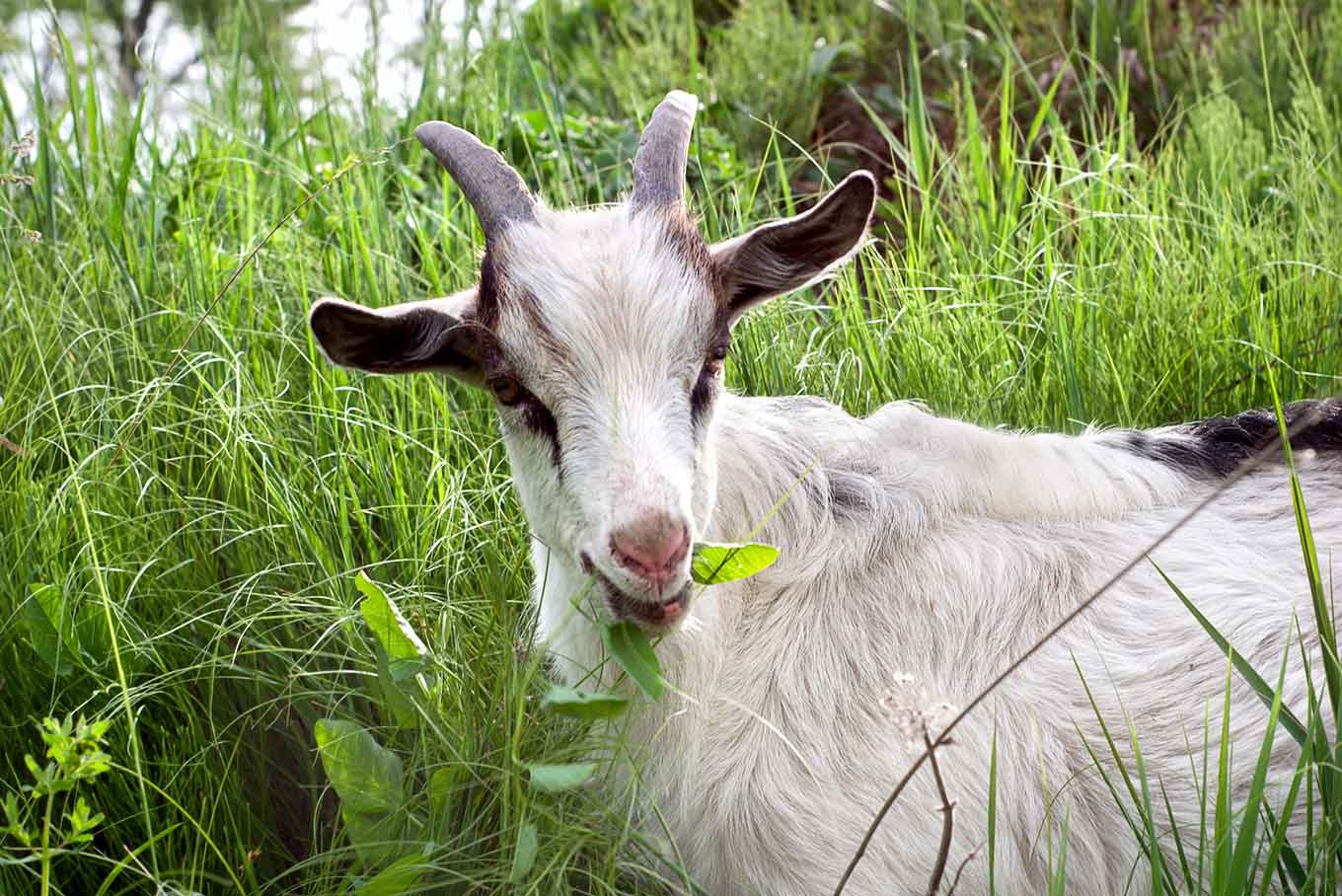
Black scour worm is a small roundworm of the intestine of sheep and goats, from the genus Trichostrongylus.
It is one of the most common and economically important gut worms in grazing livestock around the world — a particular problem in New Zealand and across temperate regions, and widespread in Australia, Europe and the USA. Producers often call it by its nicknames: “trichs,” the “hair worm,” or the “bankrupt worm,” because of the way it quietly drains condition and profit.
Where it lives and how it harms
Most species live in the first few metres of the small intestine, where the worms burrow into the gut lining. The damage impairs the gut’s ability to absorb nutrients and causes protein to leak from the bloodstream into the intestine, so affected animals waste despite having feed in front of them. The worms themselves are tiny and hair-like —only a few millimetres long and hard to see even at post-mortem — so the scouring and loss of condition are usually the first clues.
The main species
Several species cause disease,and which one dominates depends on climate:
- Trichostrongylus colubriformis — the most common, favouring warmer, summer-rainfall conditions.
- Trichostrongylus vitrinus — more common in cooler, winter-rainfall areas and considerably more damaging, so animals need treating at lower worm-egg counts.
- Trichostrongylus rugatus — more often seen in drier, arid regions.
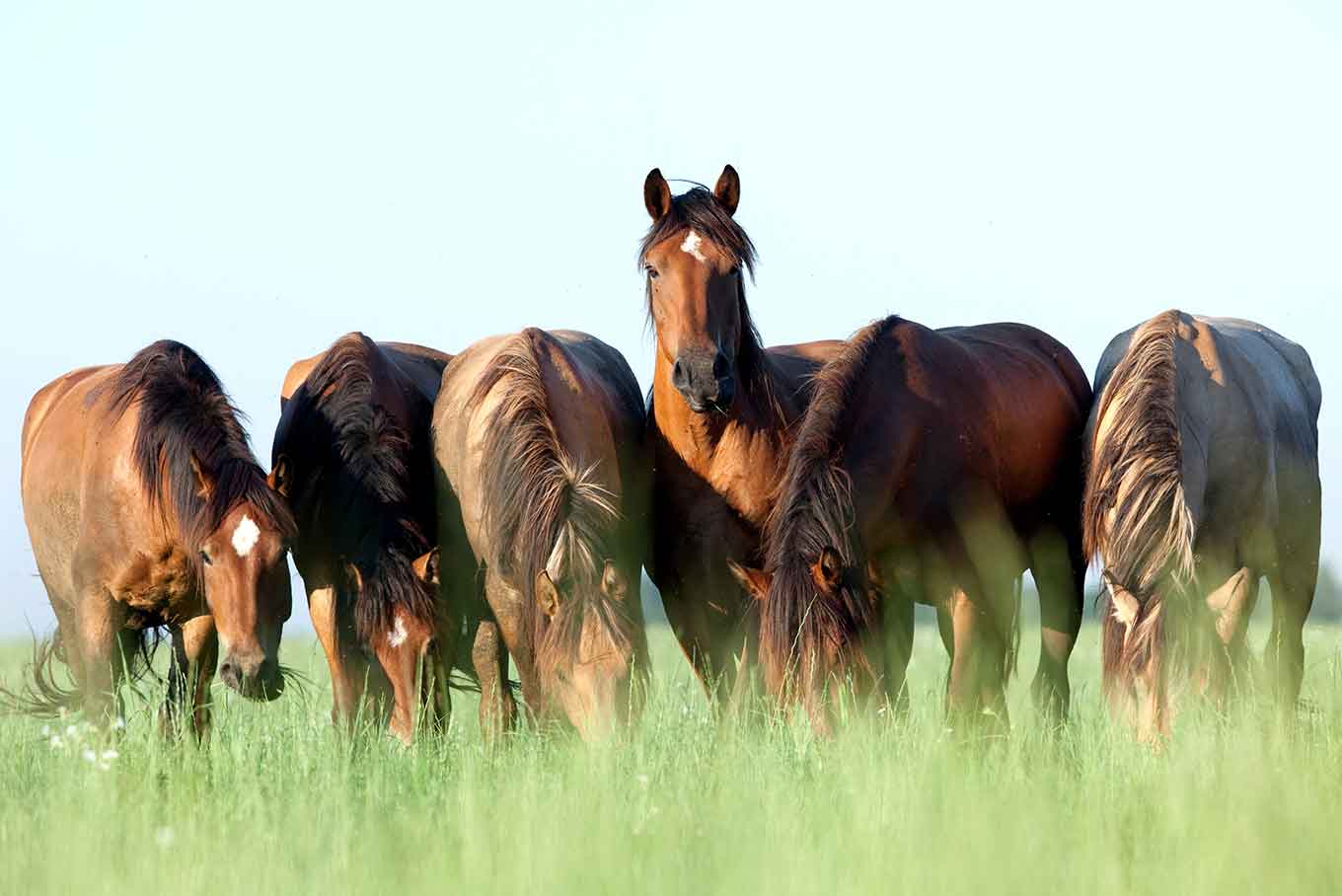
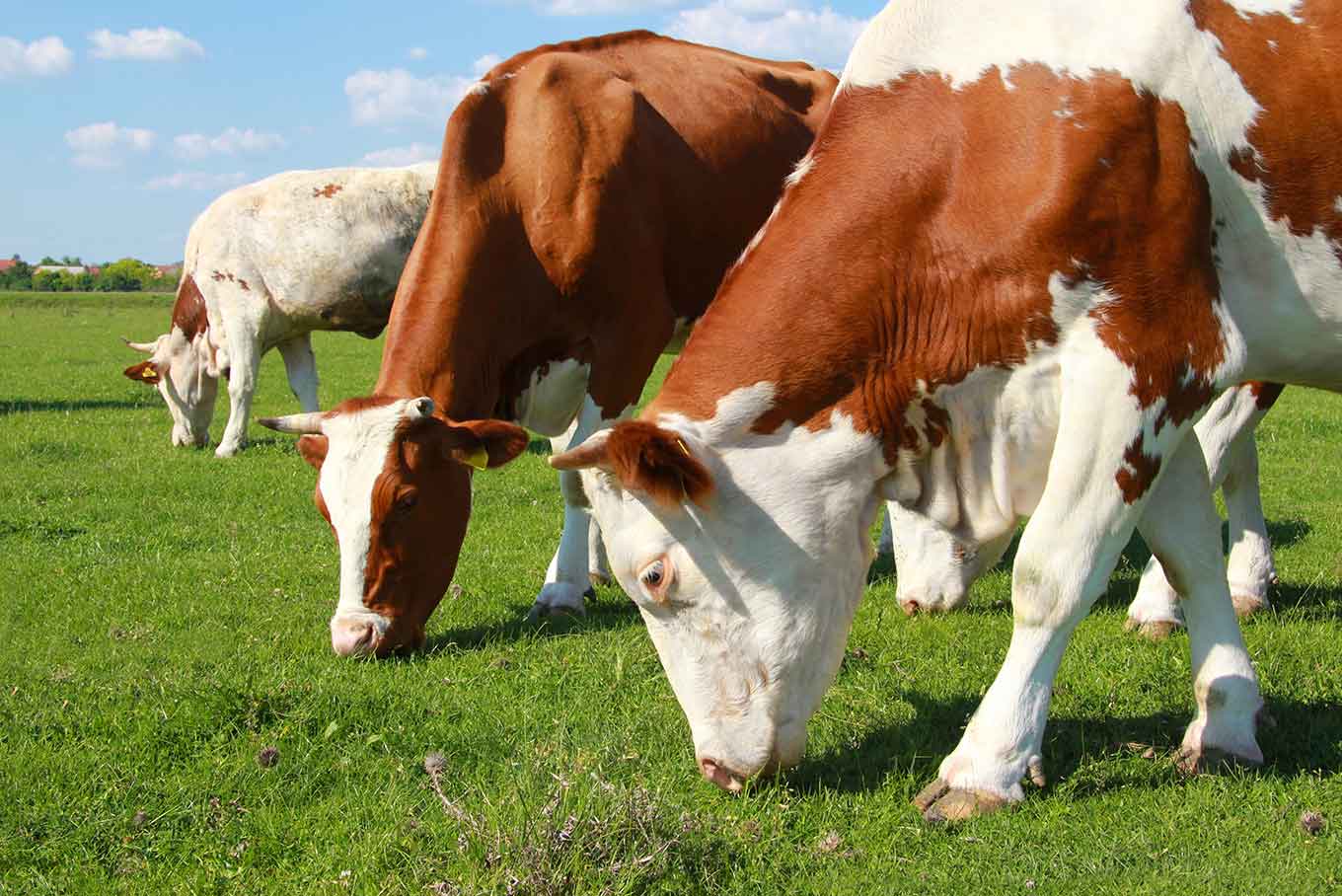
- Trichostrongylus axei (the “stomach hair worm”)— lives in the stomach rather than the intestine. Unlike other species of Black Scour Worm, the Stomach Hair Worm can also infect cattle and horses (in horses, stomach hair worm doesn’t present as typical signs of black scour).
Why it matters
Because it is so common and greatly affects the condition of the animal, black scour worm is a major cause of reduced growth, lighter weaning weights and poorer wool and milk — losses that mount up long before animals look obviously sick. Young, growing stock and poorly-nourished animals are most affected.
Black Scour Worm — Clinical Signs
As the name suggests, the standout sign is scouring — diarrhoea that is often dark in colour. In sheep & goats watch for:
- Dark diarrhoea (black scours) and staining or dags around the back end.
- Weight loss and poor growth — the classic“bankrupt” wasting, even on good feed.
- Dehydration and a dull, rough coat.
- Reduced appetite and lower production (growth, wool, milk).
- Lethargy, collapse and death in heavy infections.
An important point: by the time scouring and wasting are obvious, significant production has usually already been lost. These signs also overlap with other worms and gut diseases, so they confirm a problem rather than pinpoint the cause.
Who is most at risk
Weaners and young growing animals are the most vulnerable, especially when nutrition is poor or stock are under stress. Adults usually carry some immunity but can still contribute to pasture contamination.
Diagnosis: The reliable way to catch black scour worm before it costs you is a worm-egg count (Worm Test) with a larval culture to identify the species — which matters, because the more damaging T. vitrinus warrants treatment at lower egg counts than T. colubriformis.
Black Scour Worm — Lifecycle Summary
Black scour worm has a direct, pasture-based lifecycle that takes roughly three weeks – with no intermediate host.
- Adults live in the small intestine and lay eggs(a female sheds in the order of 200 a day — far fewer than barber’s pole worm, but more than enough to seed a paddock over time).
- Eggs pass out in the dung onto the pasture.
- Larvae hatch and feed on bacteria in the dung, developing to the infective third stage (L3) in as little as five days when it is warm and moist.
- Infective larvae move out of the dung onto the grass living in a film of moisture, where grazing animals eat them.
- Inside the animal, the larvae burrow into the gut lining and mature into adults, and the cycle repeats.
The infective larvae are hardy. In cool, moist conditions they can survive on pasture for six months or more, which is how contamination carries over from one season to the next. Disease is most often seen in spring and autumn, and in tough seasons the worm can pause its development inside immune animals (hypobiosis) and resume when conditionsimprove.
As with other gut worms, the great majority of the worm population sits on the pasture as eggs and larvae at any one time — the reservoir that re-infects your stock between treatments.
As with other gut worms, the great majority of the worm population sits on the pasture as eggs and larvae at any one time — the reservoir that re-infects your stock between treatments.
Black Scour Worm — Treatment & Resistance Summary
Black scour worm is treatable with effective drenches — but it is one of the worms most prone to drench resistance, so the real question is not “which drench” but “which drench still works here.”
The drench options
The broad-spectrum drench groups all act against black scour worm: benzimidazoles (BZ, “white”), levamisole (LEV, “clear”), the macrocyclic lactones (ML, “mectins” such as ivermectin, abamectin and moxidectin), the amino-acetonitrile derivatives (AAD, “orange” / monepantel), and combinations of these. Combinations generally kill a higher proportion of worms and help slow resistance — provided the components are still effective.
The resistance reality
Across major sheep regions worldwide, black scour worm has developed resistance to the older white and clear drenches very widely, and resistance to the mectins is growing. Resistance can’t be reversed, so no product should be assumed effective. The only way to know what works on your property is a faecal egg count reduction test (a DrenchTest). Use only drenches proven effective for you, dose correctly to body weight, and preserve refugia so you don’t accelerate resistance.
Monitor, don’t guess
Regular worm-egg counts show the burden and tell you when treatment is justified, while a larval culture identifies the species present. That species detail matters here: the more damaging T. vitrinus warrants action at lower egg counts than T. colubriformis. Monitoring lets you treat on need rather than to a calendar — saving drenches, money and protecting the efficacy of chemical treatments.
Black Scour Worm — Prevention Summary
Because most of the worm burden lives on the pasture, prevention is about keeping pasture infectivity low — so you treat less and protect your drenches. The tools work best together.
- Rest and rotate pasture so larvae die off before stock return. Black scour larvae are hardy in cool, moist conditions, so rest periods need to be long enough to matter — longer in cool weather, shorter in warm.
- Cross-graze sheep & goat paddocks with cattle o rhorses, which aids in mitigating the parasite burden, helping clean the paddock.
- Graze vulnerable young stock on low-worm-risk pasture — paddocks rested or grazed by another species first.
- Feed well, especially protein, which improves animals’ ability to both resist and tolerate worms.
- Select for resistance over time, breeding from animals with known resistance to parasites.
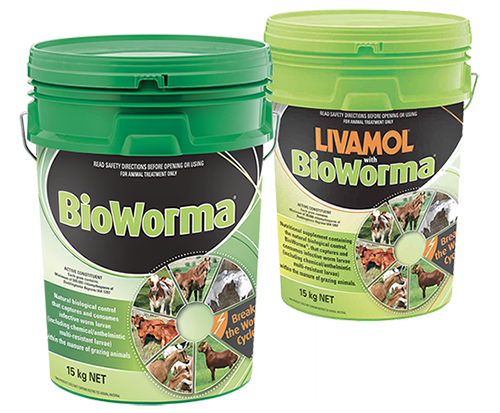
Biological control adds a powerful, non-chemical solution: the natural fungus Duddingtonia flagrans (the active in BioWorma) traps and consumes worm larvae in the manure before they reach the pasture — including drench-resistant larvae — without harming dung beetles, earthworms or other soil life. Because it acts physically rather than chemically, it lowers pasture larvae while leaving refugia intact. Used together as an integrated program — monitoring, effective treatment, grazing, biological control,nutrition and genetics — these tools cut losses and slow resistance.

Frequently asked questions
Common questions about black scour worm (Trichostrongylus) answered — what it is, why it causes dark scouring, its lifecycle, drench resistance and control on pasture.
What is black scour worm?
Black scour worm is a small roundworm of the intestine of sheep and goats, from the genus Trichostrongylus. It is one of the most common and economically important gut worms in grazing livestock worldwide. Most species live in the first few metres of the small intestine, where they damage the lining and rob the animal of nutrition — hence another common name, the “bankrupt worm.” Producers often shorten it to “trichs.”
Why is it called black scour worm?
It causes diarrhoea (scouring) that is often dark in colour — black scours — which is where the name comes from. The worms themselves are tiny and hair-like, so the scouring and loss of condition are usually the first things noticed.
What are the symptoms of black scour worm?
Persistent dark diarrhoea, weight loss and poor growth, dehydration, and a dull, daggy appearance. In heavy infections animals become lethargic, may collapse, and can die. By the time the signs are obvious, production has usually already been lost — which is why monitoring beats waiting for symptoms.
How do animals get black scour worm?
They pick up infective larvae while grazing contaminated pasture. Adults in the gut lay eggs that pass in the dung; larvae hatch and emerge onto pasture within a few days, climb the grass in a film of moisture, and are eaten. It is a direct, pasture-borne lifecycle with no intermediate host.
What is the difference between black scour worm and barber’s pole worm?
Black scour worm lives in the small intestine and causes scouring and wasting; barber’s pole worm lives in the stomach, feeds on blood and causes anaemia, usually without scouring. The distinction matters because monitoring and treatment differ — a larval culture identifies which one you have.
How long does black scour worm live?
The lifecycle takes around three weeks. The infective larvae are hardy and can survive on pasture for six months or more in cool, moist conditions, so contamination carries over between seasons.
Does ivermectin treat black scour worm, and what about drench resistance?
Effective drenches control it, but black scour worm has developed resistance across multiple drench groups on many properties worldwide, so no single product can be assumed to work. A faecal egg count reduction test tells you what is effective on your place; effective combinations and wise rotation help preserve the drenches you have.
How do I reduce black scour worm on pasture?
Use grazing management — rest and rotate paddocks, cross-graze with cattle or horses, and put young stock on low-worm-risk pasture. Biological control with Duddingtonia flagrans (BioWorma) adds to this by trapping and consuming larvae in the manure before they reach pasture, including drench-resistant larvae. Good nutrition, especially protein, also helps animals cope.